


A straighter smile can improve confidence, but many adults and teens feel hesitant about wearing noticeable braces. Invisalign clear aligners offer a less visible, removable alternative for correcting certain orthodontic concerns.
If you are researching Invisalign in Rockaway, NJ, it helps to understand what the system can—and cannot—do. Clear aligner treatment is more than receiving a set of plastic trays. It requires a careful dental evaluation, a personalized treatment plan, consistent daily wear, and professional monitoring.
This guide explains what patients can expect, from the first consultation through long-term retention.
What Is Invisalign?
Invisalign is a brand of clear aligner therapy. Instead of using brackets and wires, the system uses a planned series of transparent, removable trays. Each aligner applies controlled pressure to selected teeth, gradually guiding them toward their planned positions.
The aligners are made to fit closely over the teeth. Small, tooth-colored attachments may sometimes be placed on certain teeth to help the trays grip and create the required movement. These attachments can be visible at close range, but they are generally less noticeable than conventional brackets.
Although clear aligners may look simple, the biology of tooth movement is complex. Treatment should be planned and supervised by a qualified dental professional who can evaluate the teeth, gums, bite, and supporting bone.
What Dental Concerns Can Clear Aligners Address?
Depending on the individual case, clear aligners may be considered for concerns such as:
- Crowded or overlapping teeth
- Spaces or gaps between teeth
- Certain overbite, underbite, or crossbite patterns
- Teeth that have shifted after previous orthodontic treatment
- Minor to moderate alignment concerns
Not every case is best managed with Invisalign. The predictability of treatment can vary based on the type and complexity of the planned tooth movements. A systematic review of Invisalign treatment found that clear aligners can produce orthodontic movement, while also noting limitations in the available evidence and differences in predictability among movements.
Some patients may benefit more from traditional braces, another aligner system, or a combined approach. The right recommendation depends on an in-person assessment rather than appearance alone.
Who May Be a Good Candidate?
A suitable candidate generally has an alignment concern that can be addressed with clear aligners and is willing to follow the prescribed wear schedule. Because the trays are removable, success depends heavily on daily consistency.
Patients also need a stable foundation for orthodontic treatment. A clinician will usually assess the condition of the teeth and gums before recommending tooth movement. Active decay, gum inflammation, damaged restorations, or other oral health concerns may need attention first.
Clear aligners can be convenient for responsible teens and adults, but age alone does not determine candidacy. Dental development, treatment goals, oral health, and the complexity of the bite all matter.
Consistency is especially important
Removability is one of the system’s biggest advantages, but it also creates responsibility. Aligners only apply their planned pressure while they are in place. Frequently forgetting to wear them can interfere with progress or prevent a tray from fitting correctly.
What Happens During an Invisalign Consultation?
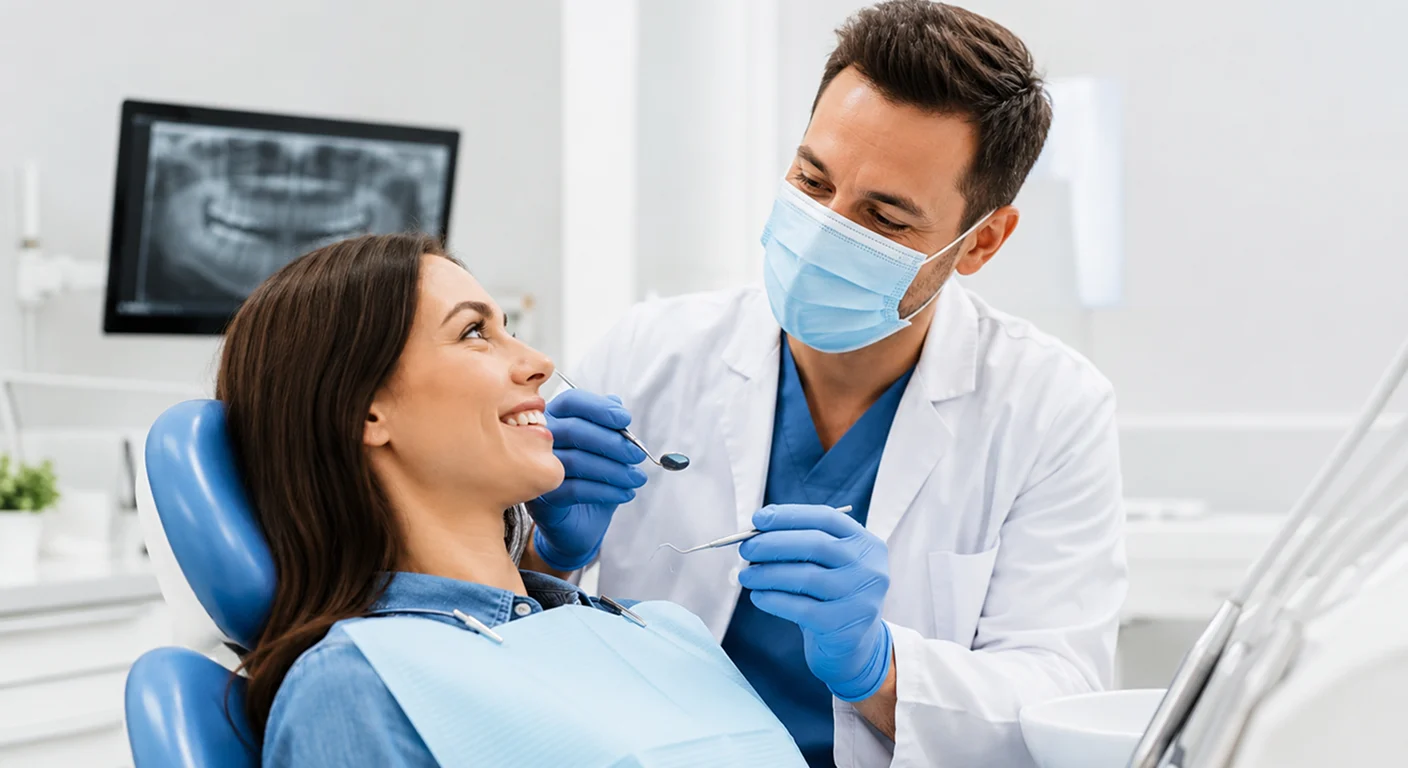
An Invisalign or clear aligner consultation should feel informative rather than rushed. The clinician will ask what you would like to change and examine more than the visible front teeth.
The evaluation may include:
- A review of dental and medical history
- An examination of the teeth, gums, jaw relationship, and bite
- Digital scans or impressions of the teeth
- Dental photographs
- X-rays when clinically appropriate
- A discussion of goals, alternatives, responsibilities, and limitations
If clear aligners appear appropriate, the collected records can be used to design a sequence of tooth movements. A digital preview may help illustrate the treatment plan, but it should be understood as a simulation—not a guarantee of an exact final result.
What Is Daily Life With Clear Aligners Like?
Most patients appreciate being able to remove their trays for meals and routine brushing. However, building a few habits can make treatment easier.
Wear the aligners as directed
The clinician will provide instructions for daily wear and when to move to the next set. Patients should not shorten the schedule or skip trays without asking the treating professional. If an aligner is lost, cracked, or no longer fits, the dental office should be contacted for guidance.
Remove aligners for food and most drinks
Eating while wearing aligners can damage or stain them. Water is usually the simplest beverage choice while the trays are in place. Aligners should be stored in their case rather than wrapped in a napkin, where they can easily be lost or discarded.
Keep the teeth and trays clean
Food and plaque can become trapped beneath an aligner. Regular brushing, flossing, dental checkups, and professional cleanings remain important during treatment. Patients should clean the trays according to their provider’s instructions and avoid very hot water, which may alter their shape.
Expect an adjustment period
A new set of aligners may create a feeling of pressure as it begins guiding the teeth. Speech can also feel slightly different at first. Any severe pain, sharp edge, persistent sore, significant swelling, or unexpected change should be reported to the treating clinician rather than ignored.
How Long Does Invisalign Treatment Take?
There is no single timeline that applies to everyone. Treatment length depends on the starting position of the teeth, bite complexity, planned movements, biological response, and how consistently the aligners are worn.
Some patients need additional sets of aligners, often called refinements, to improve the fit or continue selected movements. Regular progress visits allow the clinician to check whether the teeth are tracking according to plan and make adjustments when needed.
A personalized estimate should be provided only after an evaluation and treatment planning. Online averages cannot reliably predict an individual patient’s schedule.
Will Results Last After Treatment?
Finishing the final aligner is not the end of orthodontic care. Teeth can shift over time, so retainers are commonly recommended after active treatment. The type of retainer and wear schedule depend on the patient’s needs and the clinician’s instructions.
Patients should ask whether retainers, replacement retainers, and post-treatment visits are included in the proposed fee. Consistent retainer use is an important part of protecting the result.
How Much Does Invisalign Cost in Rockaway, NJ?
The cost of clear aligner treatment varies because each plan is different. Factors may include:
- The complexity of the alignment or bite concern
- The anticipated extent of treatment
- The number of aligner stages or refinements needed
- Diagnostic records and monitoring visits
- Whether retainers are included
- Dental insurance benefits and available payment arrangements
When comparing estimates, patients should ask for a written explanation of what the fee includes. A lower advertised price may apply only to a limited treatment option or may not include records, refinements, retainers, or follow-up care.
Some dental insurance plans include an orthodontic benefit, but coverage rules, age limits, waiting periods, and lifetime maximums vary. The dental office and insurance company can help clarify benefits, although coverage is determined by the plan.
Questions to Ask Before Starting Treatment
A good consultation should leave a patient feeling informed and comfortable. Helpful questions include:
- Is clear aligner therapy suitable for this specific bite and alignment concern?
- Are there dental problems that should be treated first?
- What alternatives should be considered?
- How will progress be monitored?
- What happens if the teeth do not track as planned?
- Are attachments or other procedures expected?
- What is included in the total fee?
- Are refinements and retainers included?
- What should a patient do if an aligner is lost or damaged?
Patients should also feel comfortable discussing appearance, comfort, scheduling, and budget. Clear communication helps set realistic expectations before treatment begins.
Frequently Asked Questions About Invisalign
Is Invisalign completely invisible?
No aligner is completely invisible, but clear trays are typically less noticeable than metal braces. Tooth-colored attachments may be visible, especially at close range.
Can a patient eat normally with Invisalign?
Because aligners are removed for meals, patients generally do not face the same food restrictions associated with fixed brackets and wires. The trays should be removed before eating and cleaned as instructed before they are replaced.
Can Invisalign fix every orthodontic problem?
No. Clear aligners can address many concerns, but they are not ideal for every tooth movement or bite pattern. A clinical examination and appropriate imaging are needed to compare aligners with other treatment options.
Does Invisalign hurt?
Patients may notice pressure or temporary tenderness when beginning a new aligner. Severe or persistent pain is not something to self-diagnose and should be discussed with the treating dental professional.
What happens if an aligner is lost?
The dental office should be contacted promptly. Depending on the treatment stage, the clinician may recommend using another tray, ordering a replacement, or taking a different step. Patients should not improvise without professional guidance.
Can someone start Invisalign without treating cavities first?
The dentist should evaluate and stabilize oral health before beginning orthodontic movement. The order of care depends on the condition of the teeth and gums, so treatment should be coordinated individually.
Are online or mail-order aligners the same as supervised Invisalign treatment?
They may differ in records, diagnosis, treatment planning, in-person examinations, and ongoing monitoring. Moving teeth affects the bite and supporting tissues, so patients should understand who is supervising care and how concerns will be handled.
Explore Clear Aligner Options in Rockaway
Choosing Invisalign is a personal decision that should balance smile goals, oral health, lifestyle, treatment complexity, and cost. A thoughtful consultation can clarify whether clear aligners are appropriate and what alternatives may be worth considering.
Patients looking into Invisalign in Rockaway, NJ, can contact Blooming Dental & Implant Center to ask about available smile-straightening options and the appropriate next step. The Rockaway office is located at 321 Mt Hope Ave, Rockaway, NJ 07866. Bringing questions to the appointment can help create a comfortable, well-informed conversation.
Clinical disclaimer: This article provides general educational information and is not a diagnosis or personalized treatment recommendation. Invisalign candidacy, risks, alternatives, cost, and expected results vary. A qualified dental professional should evaluate the teeth, gums, bite, and health history before treatment.