


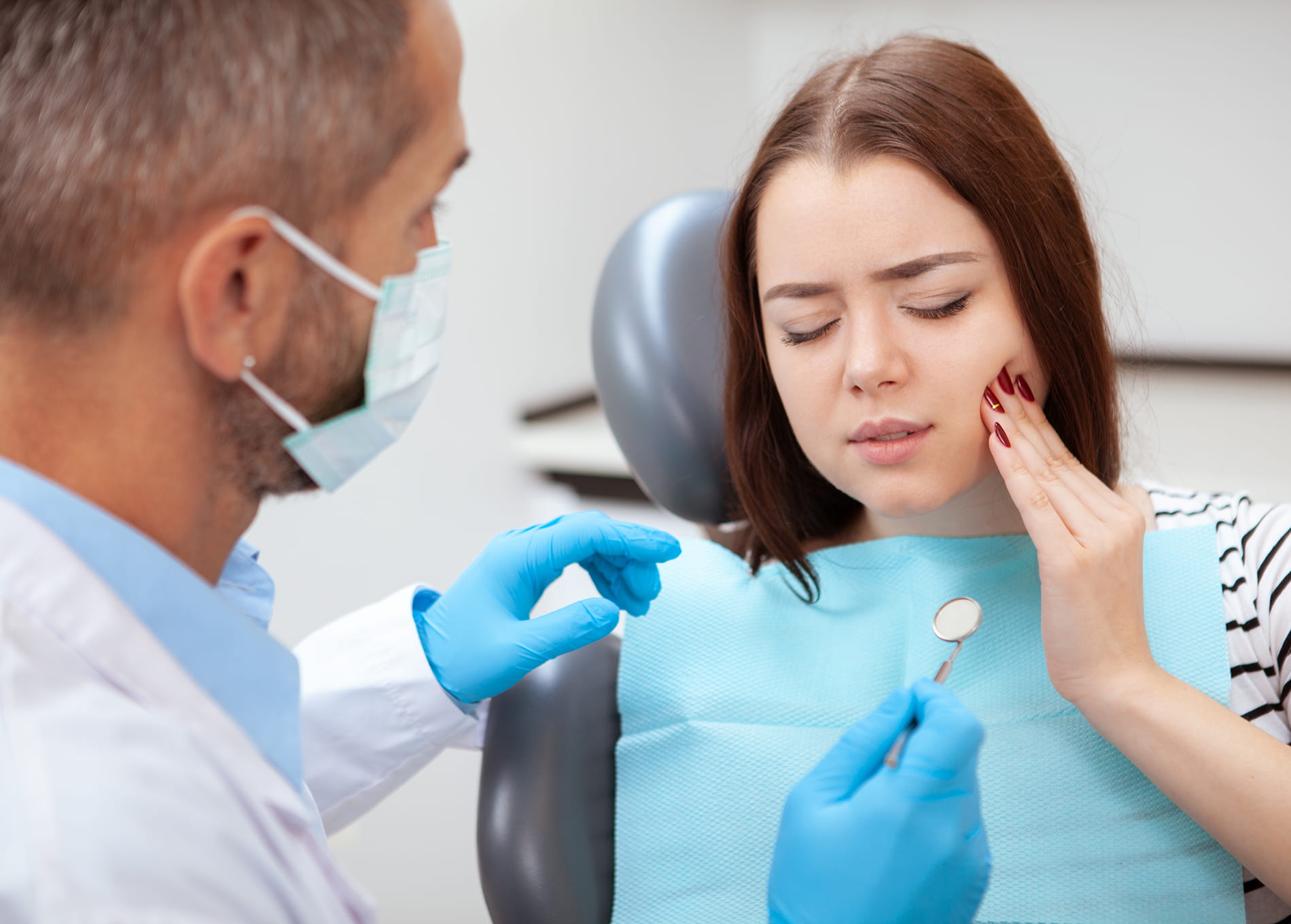
When a tooth knocks you off balance or sudden pain wakes you in the night, you want clear, fast options nearby. West Caldwell emergency dentists treat severe toothaches, broken teeth, lost crowns, and infections with same-day care to stop pain and protect your smile. You can usually get prompt, expert attention close to home to relieve pain and prevent complications.
They explain what counts as a dental emergency, which treatments can be done that day, and what to expect when you arrive—so you won’t face the unknown when time matters. Expect modern tools, compassionate staff, and straightforward steps to resolve the issue and plan follow-up care.
Understanding Dental Emergencies
This section explains which situations need immediate dental care, how to spot urgent symptoms, and the most common causes of sudden tooth or gum problems. It highlights practical steps patients can expect and when to seek same-day treatment.
What Qualifies as a Dental Emergency
A dental emergency involves active pain, bleeding, infection, or trauma that risks tooth loss or overall health. Examples include uncontrolled toothache lasting more than 24 hours, heavy bleeding after a tooth extraction that doesn’t stop with pressure, a knocked-out tooth, jaw fractures, or swelling that affects breathing or swallowing.
Dentists in West Caldwell prioritize cases with infection signs such as fever plus a painful, swollen jaw. A lost dental crown or a cracked filling that causes sharp pain with biting also qualifies when it prevents eating or leads to ongoing pain. Cosmetic chips without pain usually wait for a scheduled visit.
If a permanent tooth is avulsed, immediate action improves outcomes: handle by the crown, keep it moist in milk or saliva, and see a dentist within an hour if possible. For severe bleeding or breathing difficulty, seek emergency medical services first and contact a dental office concurrently.
Recognizing Urgent Symptoms
Intense, throbbing tooth pain that radiates to the ear or jaw often indicates an abscess requiring prompt treatment. Patients with fever and a warm, swollen face or gum pocket should consider same-day dental evaluation to prevent the spread of infection.
Bleeding that does not stop after 15–20 minutes of firm pressure and appropriate gauze suggests a complication needing professional care. Sensitivity alone is not always urgent, but sudden inability to bite or extreme pain when chewing signals structural damage or infection.
Loose permanent teeth after trauma, numbness in the lip or chin, and visible pus are clear red flags. When symptoms impair eating, breathing, or speaking, the situation moves from urgent to emergency and merits immediate contact with an emergency dentist or local ER.
Common Causes of Sudden Dental Issues
Trauma from sports, falls, or accidents accounts for many immediate dental problems in both children and adults. A direct blow can fracture teeth, loosen roots, or displace teeth from their sockets, often requiring splinting, root canal therapy, or reimplantation.
Untreated decay that reaches the dental pulp commonly produces acute infections and abscesses. Patients who delay care for cavities, broken restorations, or chronic gum disease increase the risk of sudden, severe pain and swelling.
Other frequent causes include failed restorations (loose crowns or fillings), bruxism that fractures teeth, and sudden changes in bite after dental work. Systemic conditions, such as uncontrolled diabetes, can worsen oral infections and make dental emergencies more likely.
Available Same-Day Treatments
Same-day emergency dental care in West Caldwell, NJ focuses on rapid pain control, stabilizing damaged teeth, and preserving oral function until definitive treatment is possible. Patients can expect targeted interventions—both pharmacologic and procedural—designed to relieve symptoms and prevent further complications.
Pain Relief Approaches
Clinicians begin with a focused exam and X-rays to pinpoint the pain source within minutes. For moderate-to-severe toothache from infection or trauma, they often prescribe a short course of antibiotics (e.g., amoxicillin or clindamycin) when bacterial involvement is suspected, and recommend analgesics such as ibuprofen 400–600 mg every 6–8 hours, with acetaminophen 500–1000 mg as an alternative or adjunct.
When dental pulp is inflamed or exposed, a temporary pulpotomy or pulpectomy under local anesthesia can remove irritated tissue and stop acute pain long enough for a permanent root canal later. For soft-tissue pain from lacerations, dentists provide local irrigation, suturing when needed, and topical or injected anesthetics to control discomfort during repair.
Dentists also apply desensitizing agents or temporary fillings to exposed dentin and use cold or warm packs and clear home-care instructions to manage swelling and reduce the need for emergency room visits. They document allergies and current medications to avoid interactions and adjust pain management for older adults or pregnant patients.
Emergency Tooth Repair
For fractured teeth, dentists assess fracture type—enamel-only, dentin-involving, or pulp-exposing—and choose same-day treatments accordingly. Enamel or small dentin chips often receive smoothing and composite bonding for immediate esthetics and protection.
When a fracture exposes the pulp, clinicians can perform a partial pulpotomy and place a protective crown or onlay the same day if facilities allow, or use a durable temporary restoration to seal the tooth and prevent infection. For larger structural loss, they contour remaining tooth structure and place a provisional crown or a fiber-reinforced temporary to restore function and prevent further breakage.
If a crown or bridge loosens or breaks, technicians can recement or fabricate a temporizing crown in the office using CAD/CAM milling, often finishing the process in a single visit. Dentists discuss definitive options—permanent crowns, root canal therapy, or extractions—once acute issues are managed.
Handling Lost or Broken Teeth
When a permanent tooth is avulsed, time and handling determine the chance of successful reimplantation. Clinicians instruct patients to keep the tooth moist—ideally in Hank’s Balanced Salt Solution, milk, or saline—and bring it to the office within 30–60 minutes for the best prognosis.
On arrival, dentists assess the socket, clean the tooth, reposition it, and splint it to adjacent teeth for 1–2 weeks or longer depending on root development. They start systemic antibiotics and tetanus updates if indicated, and schedule frequent follow-ups to monitor healing and root viability with periodic radiographs.
For fractured roots or teeth that cannot be reimplanted, same-day treatment may include sectioning and removing remaining fragments, placing a space maintainer for younger patients, or extracting and discussing immediate implant placement or temporary prosthetic options to restore appearance and chewing function.
What to Expect During Your Visit
Patients will receive a focused assessment, immediate pain control when needed, and clear next-step treatment plans tailored to the injury or infection.
The Initial Assessment Process
When a patient arrives, staff confirm contact and medical-history details and record current symptoms, pain level, and any allergies. A clinician examines the mouth, checks soft tissues, and inspects teeth for fractures, loose restorations, or signs of infection.
They typically take X-rays or a CBCT scan on site to locate root fractures, abscesses, and bone involvement. Imaging helps determine whether a tooth can be saved with root canal therapy or requires extraction.
The dentist documents findings and explains treatment options, estimated costs, and timing. If the problem is urgent, they prioritize immediate stabilization—such as draining an abscess, placing a sedative dressing, or temporarily reattaching a broken crown.
Comfort Measures and Anxiety Relief
Staff offer local anesthesia for procedures and topical numbing for injections to minimize discomfort. For severe pain, short-acting oral analgesics or prescription-strength medications may be given before definitive treatment.
For anxious patients, the practice provides nitrous oxide (laughing gas) and oral sedatives when clinically appropriate; they review medical history and escort patients through informed-consent steps. Pediatric visits include child-friendly explanations, distraction tools, and a caregiver-friendly room when possible.
The team monitors vital signs during longer procedures and schedules follow-up appointments to adjust pain management and check healing. Clear aftercare instructions—written and verbal—cover prescribed medications, emergency contact numbers, and signs that require immediate return.
Preventing Dental Emergencies
Most dental emergencies result from preventable problems: untreated decay, weakened restorations, and injuries during activity. Consistent daily habits and simple protective measures lower the chance of sudden pain, broken teeth, and urgent visits.
Tips for Everyday Oral Health
Daily brushing and flossing remain the foundation. They remove plaque before it hardens into tartar that can cause cavities and abscesses. Use a soft-bristled brush, fluoride toothpaste, and two minutes twice a day. Replace the brush every three months or sooner if bristles fray.
Schedule professional cleanings and exams every six months, or more often if a dentist recommends it. X-rays detect hidden decay and bone loss early, when treatment is simpler and less urgent. Promptly repair small chips, loose fillings, or new sensitivity; small fixes prevent large emergencies.
Manage diet and habits to protect enamel. Limit sugary and acidic drinks, rinse with water after acidic foods, and wait 30–60 minutes before brushing. Avoid chewing ice, popcorn kernels, and hard candy. If grinding or clenching occurs, ask a dentist about a nightguard to prevent fractures and wear.
Protecting Teeth During Sports
Use a custom or boil-and-bite mouthguard for any contact or high-impact sport. A properly fitted guard cushions blows, stabilizes teeth, and reduces soft-tissue injuries. Store it clean and replace it if it becomes worn or misshapen.
Wear helmets and face shields when the sport requires them; these reduce facial trauma that can split teeth or injure jaws. For youth athletes, ensure coaches enforce mouthguard use and check equipment fit regularly. If a permanent tooth is knocked out, keep it moist: hold by the crown, rinse gently if dirty, and place it back in the socket or in milk while seeking dental care immediately.
Modern Technology in Urgent Dental Care
Modern urgent dental clinics use targeted imaging and minimally invasive tools to speed diagnosis and reduce pain. These advances help dentists pinpoint problems, plan treatment, and get patients comfortable faster.
Digital X-Rays for Fast Diagnosis
Digital X-rays capture high-resolution images in seconds and display them on-screen for immediate review. They use up to 80% less radiation than traditional film, which matters for patients who need repeat imaging during an emergency visit.
Images can be enlarged and enhanced to reveal small fractures, hidden decay beneath fillings, or the exact position of an impacted tooth. That precision shortens decision time—dentists can determine whether a tooth needs root canal therapy, extraction, or a temporary protective restoration during the same visit.
Digital files integrate with practice management systems and specialist referrals, allowing quick sharing with an oral surgeon or endodontist. Faster communication reduces repeat appointments and speeds definitive care. For anxious patients, seeing their own X-ray helps explain the issue and the chosen treatment.
Benefits of Laser-Assisted Treatments
Dental lasers provide precise soft-tissue work with less bleeding and faster healing than scalpel procedures. In emergencies—like a torn gum or infected tissue around a tooth—lasers can remove infected tissue and disinfect the area while minimizing discomfort.
Lasers also help with pain management by sealing nerve endings and reducing inflammation in certain procedures. This often means less need for heavy anaesthetics and prescription painkillers after treatment. When used for minor surgical trimming or to expose a buried tooth, lasers reduce swelling and speed recovery.
Clinics that offer laser treatment pair it with local anesthetic and clear aftercare instructions to maximize comfort. Patients with dental anxiety often tolerate laser procedures better because the experience is quieter and feels less invasive than traditional drills and scalpels.
Choosing the Right Local Provider
Picking a provider involves practical criteria: clinical skill, patient comfort measures, and clear billing and communication policies. Confirm credentials, response times, and whether the office handles common emergencies like severe toothaches, broken teeth, and infections.
Qualities to Look For in a Dental Team
Look for a licensed emergency dentist with board certifications, at least several years treating urgent cases, and positive patient reviews that mention calm, efficient care. Verify memberships in professional organizations (e.g., ADA) and any advanced training in endodontics or oral surgery when extractions or root canals may be needed.
Assess the office environment for patient comfort: sedation options, clear pain-management protocols, and staff who explain procedures in plain language. Confirm use of modern diagnostics—digital X-rays, CBCT when needed—and infection-control practices. Transparency about costs, accepted insurances, and up-front estimates reduces surprise bills. Prioritize teams that offer follow-up care and coordinate with primary dentists or specialists to ensure continuity.
Understanding After-Hours Availability
Check if the practice provides true 24/7 emergency coverage or an after-hours on-call dentist. Ask how calls are handled: direct clinician-to-patient triage, nurse screening, or voicemail callbacks, and expected response times (within 30–60 minutes is reasonable for urgent pain).
Confirm what services are available after hours: prescription-only advice, in-office urgent treatment, or referrals to hospital emergency departments. Know additional fees for nights, weekends, or holidays and whether the office accepts electronic forms of payment. Keep contact numbers, directions, and any required intake forms saved for faster care when an emergency occurs.
Next Steps for Your Dental Health
If a dental emergency occurs, they should call a local emergency dentist in West Caldwell, NJ right away. Immediate care can relieve pain and prevent further damage.
They should gather basic information before the visit: symptoms, how the injury happened, and any medications. Bringing ID and insurance details speeds registration.
For minor issues at home, they can follow simple first-aid: rinse with warm water, apply a cold pack for swelling, and use gauze to control bleeding. Avoid placing aspirin directly on gums or teeth.
At the dental office, the team will perform a focused exam and take X-rays if needed. Treatment may include temporary stabilization, pain control, tooth repair, or referral to a specialist.
After emergency treatment, follow-up care matters. They should schedule any recommended restorative appointments, complete prescribed medication courses, and attend checkups to monitor healing.
Preventive steps reduce future emergencies: maintain twice-daily brushing, daily flossing, and wear a mouthguard for sports. Regular dental visits catch problems early and preserve oral health.
If cost or insurance is a concern, they can ask the office about payment plans or preauthorization. Many practices offer flexible options to make timely care accessible.
They should note symptoms that require immediate attention: severe uncontrolled bleeding, swelling that affects breathing or swallowing, and intense, persistent pain. Contacting the emergency clinic promptly improves outcomes.
Frequently Asked Questions
This section answers common urgent-care scenarios, immediate at-home steps, insurance and paperwork to bring, and what patients can expect during an emergency visit.
What counts as a true dental emergency versus something that can wait until regular office hours?
A true dental emergency includes uncontrolled bleeding, severe facial swelling that affects breathing or swallowing, a completely knocked-out tooth, and intense pain that prevents sleep or eating.
Problems that can usually wait include mild sensitivity, a small filling that fell out without pain, or cosmetic chips that don’t hurt.
What should I do right away if I have a severe toothache or swelling and I can’t reach a dentist?
Rinse gently with warm salt water to reduce bacteria and relieve irritation.
Take acetaminophen or ibuprofen per label directions for pain and swelling unless contraindicated; avoid placing aspirin directly on the gum.
Apply a cold pack to the outside cheek in 15-minute intervals to limit swelling while arranging emergency care.
How quickly should I be seen for a knocked-out tooth, and what’s the best way to store it on the way in?
A knocked-out permanent tooth has the best chance of being saved if treated within 30–60 minutes.
Handle the tooth by the crown only; do not scrape or touch the root.
If possible, rinse briefly with water and try to reinsert it; otherwise keep it moist in milk or a tooth-preservation kit, or place it between the cheek and gums for transport.
If a tooth is chipped, cracked, or broken, what can I do at home to protect it until I’m seen?
Rinse the mouth with warm water and apply clean gauze to control any bleeding.
Cover sharp edges with dental wax or sugarless gum to prevent lip or cheek cuts.
Avoid chewing on the injured side and bring any recovered fragments to the appointment.
Do emergency dental visits typically accept NJ FamilyCare or Medicaid, and what should I bring to my appointment?
Many urgent dental clinics in West Caldwell accept NJ FamilyCare and New Jersey Medicaid, but acceptance varies by practice and the type of service.
Bring a photo ID, insurance card, Medicaid ID, proof of address if available, and any prior dental records or a list of medications to speed registration and treatment.
What can I expect during an emergency dental appointment, and what options are available to keep me comfortable?
The dentist will perform a focused exam, take necessary X-rays, and triage the problem to control pain and infection first.
Treatment may include temporary restorations, extractions, root canal therapy, antibiotics, or referral for advanced care; local anesthesia and nitrous oxide are common comfort options.
The team will explain next steps, any prescriptions, and follow-up plans to restore full function and comfort.