


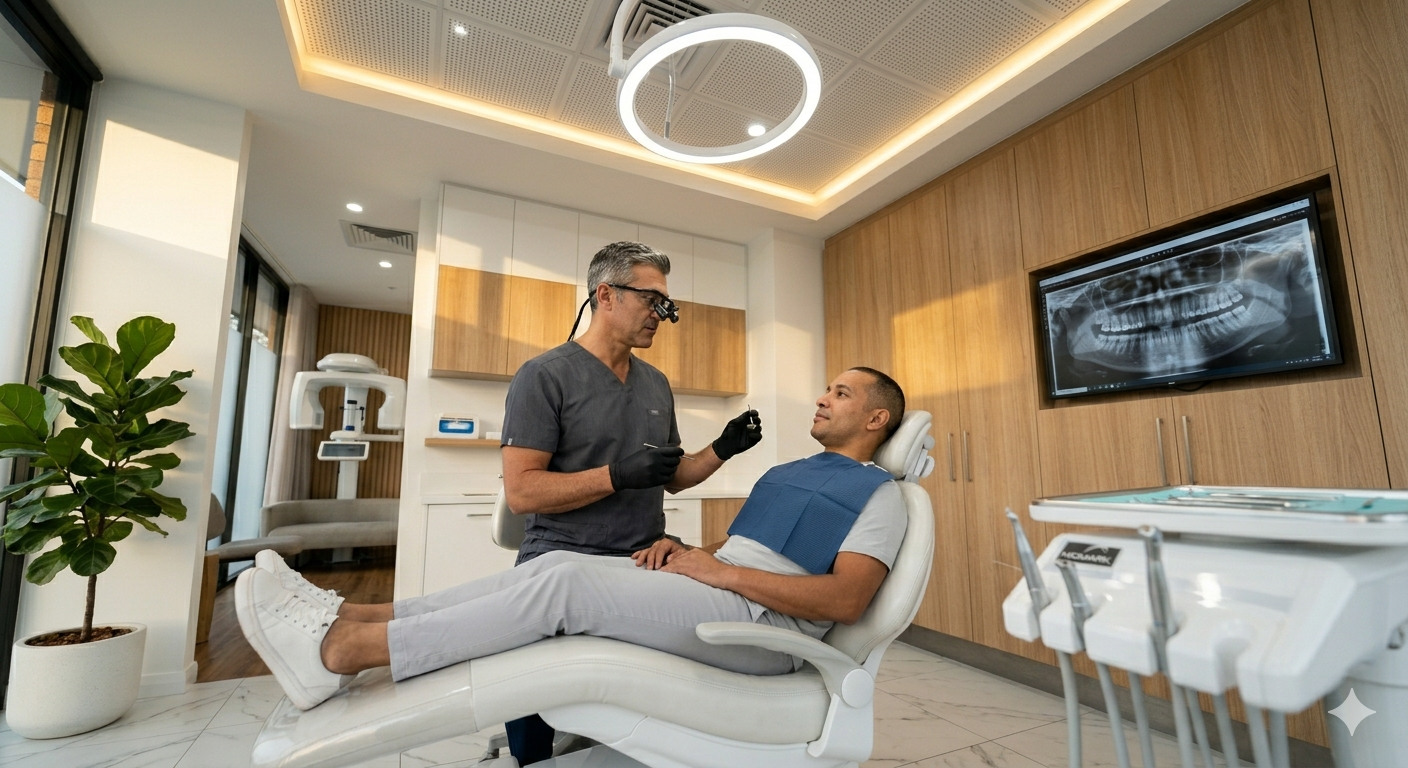
When a dental emergency strikes in West Caldwell, NJ, knowing where to turn can save time, reduce pain, and prevent further damage. Emergency dental care in West Caldwell focuses on prompt, effective treatment for sudden issues like severe toothaches, broken teeth, or infections.
Local dentists are equipped to handle urgent needs with modern technology and compassionate care, ensuring patients feel comfortable even during stressful moments. Whether it’s an unexpected injury or a sharp, persistent pain, accessible emergency dental services make a real difference.
Understanding what qualifies as a dental emergency and how to act quickly helps residents avoid complications. This guide will walk through common scenarios and outline what to expect when seeking emergency dental help in West Caldwell.
Recognizing Dental Emergencies
Dental emergencies come in many forms, from severe pain to visible damage. Knowing how to identify urgent issues versus those that can wait helps patients get the right care quickly, preventing complications and reducing discomfort.
Common Signs You Need Urgent Dental Help
Severe tooth pain that lasts more than a few hours, especially if it’s sharp or throbbing, often signals an infection or nerve problem needing immediate attention. Swelling around the gum or face with pain can indicate a spreading infection.
Other critical signs include a knocked-out tooth, broken or cracked teeth exposing nerves, uncontrollable bleeding, and loose teeth after an injury. Fever combined with dental pain can point to a serious infection that requires prompt care.
When to Seek Same-Day Treatment
Same-day treatment is important for injuries affecting function or causing intense pain. This includes tooth dislodgement, severe cuts inside the mouth, and crowns or fillings that break causing sharp edges.
Persistent bleeding after trauma or dental work that doesn’t stop within 30 minutes also demands urgent care. Early treatment not only relieves pain but also improves the chances of saving the natural tooth.
Situations That Can Wait Versus Immediate Attention
Minor chipping or slight discomfort without swelling can usually wait until the next available dental appointment. Sensitivity to hot or cold without sharp pain often does not require emergency care.
However, if pain intensifies, swelling grows, or symptoms persist beyond a day, it’s best to seek care sooner rather than later. Routine check-ups can address these issues before they become emergencies, ensuring long-term dental health.
Immediate Steps to Take at Home
Knowing how to respond quickly to dental emergencies can reduce pain and increase the chance of saving a tooth. It’s important to act calmly and use simple first aid techniques while arranging professional care. Staying prepared with the right steps makes a difference.
First Aid for Toothache Relief
When a toothache strikes, rinsing the mouth gently with warm salt water can help reduce swelling and clean the area. Avoid placing aspirin or other painkillers directly on the gums, as this may cause irritation.
Cold compresses applied to the outside of the cheek can ease pain and reduce inflammation. Over-the-counter pain relievers, taken as directed, can also provide temporary comfort.
If the toothache is caused by food stuck between teeth, carefully removing the debris with dental floss may relieve pressure. Persistent or severe pain, especially with swelling or fever, requires urgent dental evaluation.
Handling Broken or Knocked-Out Teeth
For a broken tooth, save any fragments and rinse the mouth gently with warm water. Applying a cold compress helps control pain and swelling.
If a tooth is completely knocked out, time is critical. Locate the tooth, hold it by the crown (not the root), and rinse it gently without scrubbing. If possible, try to place the tooth back into its socket carefully.
If reinsertion isn’t possible, keep the tooth moist by storing it in milk, saline solution, or the inside of the cheek. Seek immediate dental care, ideally within 30 minutes, for the best chance of saving the tooth.
What to Do for Oral Bleeding
Oral bleeding from injury should be controlled quickly to prevent excessive blood loss. Have the person bite down gently but firmly on a clean piece of gauze or a damp cloth for 10 to 15 minutes.
Avoid spitting or rinsing during this time to allow a clot to form. If bleeding continues beyond 20 minutes despite pressure, or if the injury is severe, seek emergency dental or medical attention immediately.
Using a cold compress on the outside of the mouth can reduce bleeding and swelling. Keep the head elevated to minimize blood flow to the injured area.
Types of Urgent Dental Issues
Emergency dental care covers a range of problems that need quick, effective treatment to relieve pain, prevent complications, and restore function. Some situations require immediate attention to avoid worsening conditions or serious health risks.
Managing Abscesses and Infections
Dental abscesses are pockets of pus caused by bacterial infections. They can form around the tooth root or in the gums, leading to intense pain, swelling, and sometimes fever. Left untreated, abscesses may spread infection to other parts of the body, so timely care is essential.
Treatment usually involves draining the abscess and prescribing antibiotics to control the infection. In some cases, a root canal or tooth extraction might be necessary to fully resolve the issue. Patients should not try to self-drain abscesses at home, as improper handling can worsen the infection.
If swelling worsens rapidly or breathing becomes difficult, immediate emergency care is critical. Early intervention reduces discomfort and prevents complications.
Care for Chipped, Cracked, or Lost Restorations
Accidents and wear can cause chips, cracks, or loss of fillings, crowns, or other dental work. These issues can expose sensitive tooth areas, leading to pain, sensitivity, and further damage if untreated. Patients may notice jagged edges, discomfort while chewing, or loose dental appliances.
Prompt dental evaluation is important. Small chips or cracks might be smoothed or bonded quickly. Lost fillings or crowns usually require replacing to protect the tooth’s structure. Delaying care can increase the risk of decay or infection.
Temporary measures, such as applying dental wax or avoiding very hot or cold foods, may ease symptoms before professional treatment. The dentist will tailor the repair based on the damage severity.
Dealing with Swelling and Facial Trauma
Swelling in the face or mouth often signals trauma, infection, or allergic reaction. Injuries from falls, sports, or accidents can cause bruising, broken teeth, or jaw issues. Swelling can interfere with speech, swallowing, or breathing, which demands urgent assessment.
The dental team will assess the injury and may use X-rays to check for fractures or internal damage. Treatment may include pain relief, cold compresses, and stabilization or repair of broken teeth or soft tissues. In severe cases, referral to a specialist or hospital may be necessary.
If swelling is accompanied by fever, pus, or spreading redness, infection is likely and needs immediate treatment. Early care helps minimize pain and promotes faster healing.
What to Expect During an Emergency Dental Visit
Emergency dental care in West Caldwell, NJ, is designed to provide fast and effective relief while ensuring patient comfort. The process begins with prioritizing critical cases, followed by pain management, and ends with a clear diagnosis and treatment plan tailored to the patient’s needs.
How Clinics Prioritize Patients
When a patient arrives with a dental emergency, the clinic quickly assesses the severity of the situation. Those with intense pain, bleeding, or trauma get immediate attention to prevent further complications.
Less urgent issues, like a loose crown or mild discomfort, are scheduled based on availability. This triage process ensures that the most serious cases receive prompt care while maintaining an organized flow for all patients.
Staff also gather essential medical history and details about the problem to plan safe and effective treatment without delay.
Comfort Measures and Modern Pain Relief
Clinics use several strategies to keep patients comfortable during emergency visits. Local anesthetics are the most common method to numb the affected area quickly.
For severe pain or anxiety, sedation options like nitrous oxide or oral sedatives may be offered. These help patients feel relaxed without losing consciousness.
Modern dental offices also provide cushioning, warm blankets, and gentle communication to ease stress. Understanding the patient’s concerns is key to delivering a calm and supportive environment.
Diagnosis and Treatment Planning
After comfort measures, the dentist performs a detailed examination, often using digital X-rays to get precise images of the teeth and jaw.
This helps identify fractures, infections, or other hidden problems contributing to the emergency. Based on the findings, the dentist discusses treatment options, prioritizing quick relief and long-term health.
They may provide immediate fixes, like repairing a broken tooth, or schedule follow-up visits for more complex care such as root canals or extractions. Clear explanations give patients confidence and help them make informed choices.
Benefits of Prompt Professional Care
Getting dental help quickly after an emergency can make a big difference. It reduces pain, limits damage, and helps maintain oral health by addressing problems before they worsen.
Preventing Further Complications
When a dental injury or sudden pain occurs, delays in treatment can lead to infections, worsened damage, or even tooth loss. Prompt care allows the dentist to stabilize the situation, whether by stopping bleeding, reducing swelling, or repairing broken teeth.
For example, a knocked-out tooth has the best chance of being saved if re-implanted within the first hour. Early intervention can also prevent infections in damaged gums or roots, which could otherwise require more invasive procedures like root canals or extractions later on.
Protecting Your Smile Long-Term
Immediate care not only addresses the current issue but also safeguards your smile’s appearance and function for the future. Treatments like bonding or crowns applied quickly can restore a tooth’s shape and strength, preventing changes in bite or speech that often follow untreated damage.
Professional care may include custom plans to monitor healing or replace any lost tooth structure. This proactive approach helps preserve your natural teeth and reduces the need for extensive, costly treatments down the line, keeping your smile healthy and confident.
Choosing the Right Dental Office in West Caldwell NJ
Finding a dental office that responds quickly and offers flexible hours can make all the difference during a dental emergency. It’s important to look for specific traits that ensure prompt care and services available when you most need them.
Qualities of a Responsive Emergency Dentist
A responsive emergency dentist in West Caldwell NJ prioritizes quick communication and clear guidance. They answer calls promptly and provide immediate advice on managing pain or bleeding before a visit.
Such dentists keep their patients informed about wait times and treatment steps, which helps reduce anxiety. They use modern technology to diagnose problems efficiently, speeding up treatment without sacrificing quality.
Additionally, these dentists focus on patient comfort throughout emergency procedures. Gentle care techniques and effective pain management are essential to help patients feel at ease.
After-Hours and Weekend Availability
Emergency dental issues don’t always happen during regular business hours. Dental offices in West Caldwell that offer after-hours or weekend availability provide crucial access when urgent problems arise.
Many practices provide extended hours or on-call services specifically for emergencies like severe toothaches, broken teeth, or sudden infections. This availability means patients don’t have to wait until Monday or risk worsening conditions.
Patients should check if the practice schedules emergency appointments outside normal office times and verify how they handle calls after hours. This ensures reliable support exactly when it’s most needed.
Peace of Mind Through Prevention
Taking steps to reduce the chances of a dental emergency can save a lot of stress and discomfort. Understanding practical ways to protect your teeth and building a strong relationship with your dentist creates a safety net when unexpected issues arise.
Tips to Lower Your Risk of Dental Emergencies
Maintaining good oral hygiene is the first line of defense. Brushing twice daily with fluoride toothpaste and flossing regularly helps prevent decay and gum diseases that often lead to urgent problems. Avoid using teeth as tools, like opening bottles or tearing packages, which can cause chips or breaks.
Wearing a protective mouthguard during sports or high-impact activities significantly decreases the risk of trauma. Also, be mindful of what you eat—hard candies, ice, and sticky sweets can damage teeth or fillings.
Scheduling routine check-ups every six months allows dentists to catch potential problems early before they escalate into emergencies. If you experience any discomfort, sensitivity, or minor chips, addressing these quickly reduces the chance of serious pain or infection later.
Building a Trusting Relationship with Your Dentist
Regular visits help establish a connection that makes emergency care smoother and less intimidating. When patients feel comfortable sharing symptoms early, dentists can provide timely advice or interventions.
A trusted dentist will personalize prevention plans and explain risks clearly. Patients who know their dentist can easily reach out during a crisis benefit from quicker, more coordinated care.
This relationship also lets the dental team understand each patient’s history and preferences. It means solutions will be tailored, whether it’s a quick fix or a more complex treatment. Encouraging open communication ensures confidence and peace of mind, knowing help is available when needed.
Your Next Steps: Prioritizing Your Oral Health
When a dental emergency occurs, getting prompt care is crucial. After an urgent visit, following up with your dentist for any recommended treatments helps ensure proper healing and prevents further issues.
Maintaining good oral hygiene at home plays a key role in recovery. Simple habits like brushing twice daily, flossing gently, and using a mild mouthwash can soothe sensitive areas and keep infection at bay.
Regular dental check-ups provide peace of mind. Scheduling a routine exam allows the dentist to monitor healing and catch any new concerns early.
Here’s a quick list of tips to keep oral health a priority:
- Call your dental office immediately if pain or swelling worsens
- Avoid hard or sticky foods that might irritate injured teeth or gums
- Stay hydrated and rest well to support your body’s healing process
- Use cold compresses for swelling and over-the-counter pain relief as advised
Remember, modern dental care offers many ways to manage discomfort and restore smiles comfortably. Encouraging open communication with your dental team helps tailor treatment to your lifestyle and needs.
If questions or worries arise, it’s always best to reach out. They are there to guide you through every step toward a healthier, pain-free smile.
Frequently Asked Questions
Knowing what to do immediately after a dental injury or sudden pain can make a big difference in treatment success. Recognizing when pain or swelling requires urgent care helps prevent complications and ensures comfort.
What should I do right away if I chip or break a tooth after hours?
Rinse your mouth gently with warm water to clean the area. Apply a cold compress to reduce swelling and take over-the-counter pain relief if needed.
Save any broken pieces of the tooth and keep them moist by placing them in milk or saliva. Contact an emergency dentist as soon as possible for evaluation.
How can I tell if a toothache is serious enough to be seen the same day?
If the toothache is severe, persistent, or accompanied by fever, swelling, or difficulty swallowing, it requires prompt attention.
Mild discomfort can often wait for a regular appointment, but worsening symptoms signal infection or nerve damage.
If I don’t have a regular dentist, who can I call for urgent dental help?
Many dental offices in West Caldwell offer emergency services or after-hours care. Local urgent care centers may provide initial pain management but usually cannot perform dental procedures.
It’s best to find a nearby emergency dental clinic or hospital with dental capabilities for serious cases.
What can an urgent care clinic do for severe tooth pain or swelling?
Urgent care clinics can provide pain medication, antibiotics, or anti-inflammatory drugs to manage symptoms temporarily.
They cannot perform dental treatments like root canals, extractions, or repairs, so follow-up with a dentist is essential.
When is a swollen gum or facial swelling a sign I should seek emergency treatment?
Swelling that spreads quickly, causes difficulty breathing or swallowing, or is accompanied by fever or severe pain needs immediate emergency care.
This could indicate an abscess or infection that requires prompt intervention to prevent serious complications.
How should I handle a knocked-out tooth on the way to the dental office?
Hold the tooth by the crown (top), avoid touching the root, and gently rinse it if dirty with water.
Try to reinsert the tooth into the socket if possible, or keep it in milk or saliva. Immediate dental treatment within one hour gives the best chance to save the tooth.