


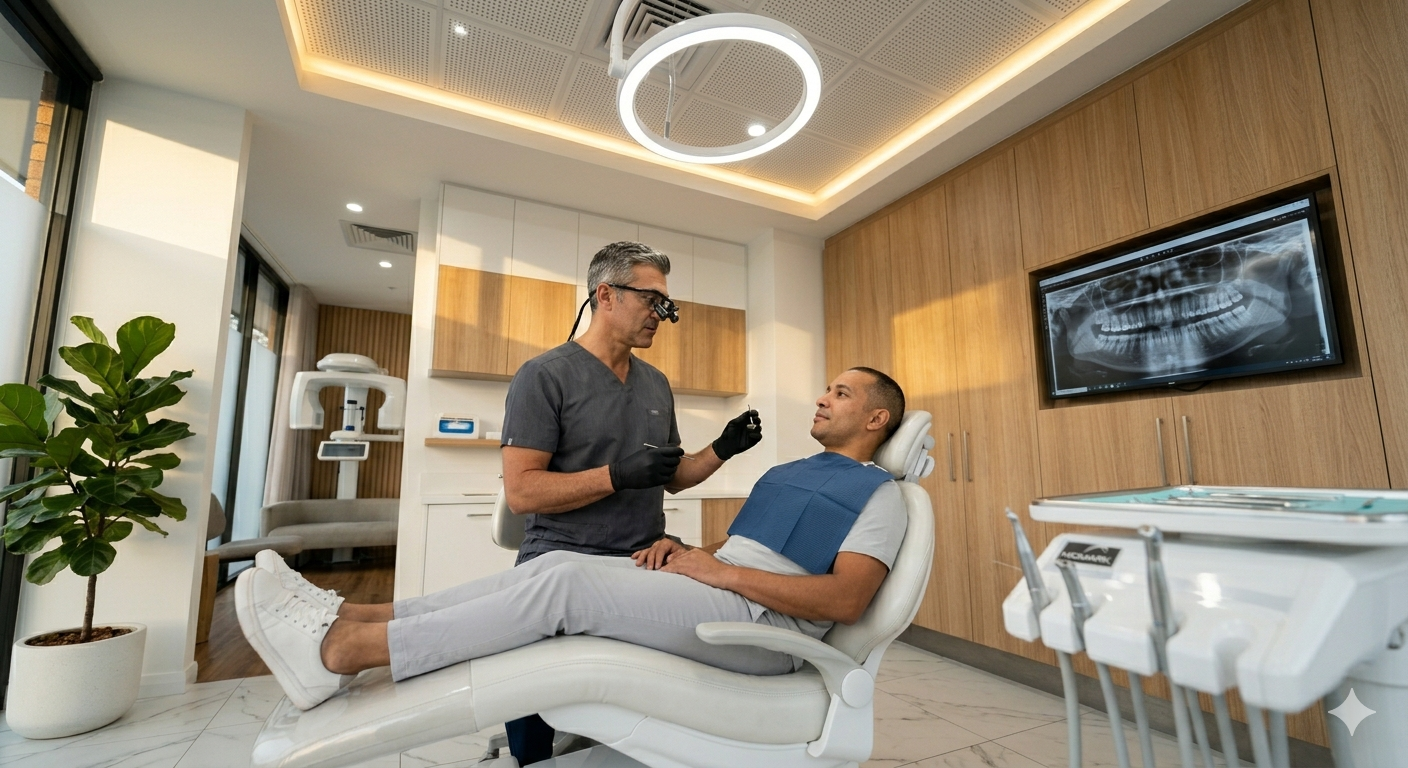
When dental pain strikes unexpectedly, finding quick and reliable care is essential. Emergency dentists in West Caldwell, NJ specialize in treating urgent dental issues like severe toothaches, broken teeth, or sudden infections. They provide immediate relief and expert treatment to protect your smile and ease discomfort without the long wait.
These dental professionals are equipped with the latest technology and gentle techniques to handle emergencies efficiently. Whether it’s a weekend or after-hours situation, emergency dental services in West Caldwell focus on patient comfort and clear communication, making it easier to navigate a stressful moment.
Knowing where to turn when a dental emergency happens can save time and prevent further damage. Reaching out to an emergency dentist early helps ensure the best possible outcome and peace of mind for anyone facing unexpected dental problems.
Recognizing Dental Emergencies
Knowing how to identify the severity of dental problems helps patients decide when to act quickly or wait for a scheduled appointment. Some symptoms demand immediate attention to avoid complications, while others, though uncomfortable, can be managed with a bit of care before seeing a dentist.
Common Signs and Symptoms
Dental emergencies often involve sudden pain, swelling, or visible damage. Intense toothache that doesn’t ease with over-the-counter painkillers may indicate infection or nerve damage. Swelling around the gums or face can signal an abscess, which requires prompt treatment.
Other signs include a cracked or broken tooth, especially if the inner pulp is exposed, or a lost filling or crown causing discomfort. Bleeding gums after trauma or a tooth knocked out completely are urgent warning signs. Sensitivity to hot or cold that worsens over time might also suggest a deeper problem needing evaluation.
When to Seek Immediate Care
Immediate dental care is necessary if the situation involves severe pain, uncontrolled bleeding, or signs of infection such as fever or swelling spreading beyond the face. A knocked-out tooth has the best chance of being saved if treated within an hour.
If a tooth is fractured and sharp edges cut the tongue or cheek, urgent treatment will prevent further injury. Difficulty breathing or swallowing following dental trauma is a critical sign to seek emergency help without delay.
Situations That Can Wait
Not all dental issues require urgent visits. Mild tooth sensitivity or minor chips without pain can usually wait for a routine dental checkup. Loose or lost crowns without discomfort generally need timely but not emergency care.
Minor gum irritation or bleeding while brushing may improve with improved oral hygiene and a future dental cleaning. It’s important to monitor symptoms and call a dentist if they worsen or new concerns arise.
What to Do in a Dental Crisis
Knowing exactly how to react in a dental emergency can make a big difference. Quick actions often reduce pain, prevent further damage, and improve the chances of saving the tooth.
Steps to Take Before Arriving at the Dentist
First, identify the nature of the emergency. If it’s severe bleeding, applying gentle pressure with a clean cloth helps control it. Avoid using gauze if the bleeding is minor.
Keep any broken tooth pieces. Rinse them gently with water but do not scrub or dry them out. Place them in milk or saliva to keep them moist.
Call the emergency dentist in West Caldwell, NJ, immediately. Explain the situation clearly and follow any specific instructions the office provides. Time is crucial, especially for injuries involving knocked-out or severely broken teeth.
Managing Pain and Swelling
Pain relief is important before seeing the dentist. Over-the-counter painkillers like ibuprofen can reduce both pain and inflammation. Avoid aspirin as it may increase bleeding.
Cold compresses on the outside of the cheek can help lessen swelling. Apply for 10-15 minutes, then remove for the same amount of time. Repeat this cycle while waiting for care.
Avoid hot foods, hard chewing, and anything acidic. Use a soft diet and rinse gently with warm saltwater to soothe the gums without aggravating the area.
Emergency Care for Knocked-Out Teeth
If a tooth is completely knocked out, act quickly. Handle the tooth by the crown (top) only. Do not touch the root.
Rinse the tooth with water if dirty, but do not scrub or remove any tissue fragments. Try to place the tooth back into its socket gently if the person is conscious and able to hold it.
If reinsertion isn’t possible, keep the tooth moist in a container filled with milk or the patient’s saliva. This preserves the cells until professional help can be reached.
Prompt professional treatment increases the chance of saving the tooth, so getting to the emergency dentist without delay is essential.
Treatment Options for Urgent Dental Issues
Emergency dental treatments focus on reducing pain, preventing infection, and restoring function quickly. Various methods are available depending on the nature of the dental problem, ensuring patients get relief and proper care right away.
Relief for Severe Toothaches
Severe toothaches often signal an infection or nerve issue that needs fast attention. Dentists typically begin by diagnosing the cause, using X-rays if necessary, to pinpoint problems like decay or abscesses.
Pain relief may start with prescribing antibiotics or painkillers to reduce inflammation and discomfort. In some cases, a root canal might be necessary to remove infected tissue inside the tooth.
Temporary measures, such as placing a sedative filling, can ease pain until a permanent fix is done. Comfort and reducing urgent symptoms remain the priority throughout treatment.
Repairing Chips and Cracks
Chipped or cracked teeth can cause sharp pain and sensitivity, especially when biting or exposed to temperature changes. The dentist assesses the extent of the damage before deciding the best repair.
Small chips are often smoothed and restored with tooth-colored composite resin that blends naturally. Larger cracks may require dental bonding or a crown to protect the tooth’s structure.
In all cases, treatment aims to restore function and prevent further damage while keeping the tooth as healthy as possible. Quick care reduces the risk of infection or worsening breaks.
Addressing Lost Fillings or Crowns
Losing a filling or crown can expose the underlying tooth, leading to pain and increased risk of decay. Immediate dental visits are crucial to prevent further damage or infection.
Dentists check the tooth’s condition and may replace the filling or crown with a temporary or permanent solution. In some cases, adjustments are made to ensure a comfortable fit.
Patients are advised to avoid chewing on the affected side and maintain careful oral hygiene until the restoration is complete. Prompt care helps maintain the tooth’s lifespan and function.
Options for Abscessed Teeth
An abscess is a pocket of pus caused by bacterial infection, often resulting in swelling, pain, and sometimes fever. This condition requires urgent treatment to avoid serious complications.
Treatment typically involves draining the abscess and removing the infection source. This might mean performing a root canal or, in severe cases, extracting the tooth.
Antibiotics are prescribed to control infection, accompanied by pain management strategies. Follow-up care focuses on healing and preventing abscess recurrence.
Modern Technology in Emergency Dentistry
Emergency dental care in West Caldwell, NJ, relies on advanced tools that speed up diagnosis and improve patient comfort. These technologies help dentists make accurate decisions and ease the treatment process during urgent visits.
Digital X-Rays for Quick Diagnosis
Digital x-rays are a game-changer in emergency dentistry. They produce clear images within seconds, allowing dentists to spot cracks, infections, or trauma quickly. Unlike traditional x-rays, digital versions use less radiation, which is gentler for patients.
The images can be enhanced or zoomed in on-screen, making it easier to identify problems that might be missed otherwise. This speeds up diagnosis and lets dentists recommend the best treatment without delay. Plus, digital files can be shared instantly with specialists if needed, ensuring fast, coordinated care.
Comfort-Focused Procedures
Comfort is a top priority during dental emergencies. Modern equipment includes gentle anesthesia delivery systems that minimize pain and anxiety. For example, computer-controlled anesthetic injectors provide a slow, steady flow, which reduces discomfort compared to manual injections.
Additionally, many emergency dentists use soft tissue lasers to treat gum injuries or infections. These lasers decrease bleeding and swelling, helping patients heal faster with less pain. Chairside technology like ergonomic dental chairs and noise-reducing tools also contribute to a more relaxing visit.
If urgent dental pain strikes, this blend of swift diagnosis and patient-centered care makes a big difference in the emergency room experience. Patients are encouraged to reach out to their local West Caldwell emergency dentist to learn more about these modern options.
How to Choose the Right Local Dental Team
Finding a dental team that responds quickly, communicates clearly, and puts patient comfort first is essential. It’s important to know what makes a skilled emergency dentist stand out and what to expect when you walk into their office for the first time.
Qualities of an Exceptional Emergency Dentist
An exceptional emergency dentist in West Caldwell, NJ, will be available for prompt care, often offering same-day appointments to address urgent issues. They prioritize clear communication, explaining treatment options without jargon, so patients feel informed and calm.
Look for dentists who maintain modern equipment and use up-to-date techniques, which can make treatments faster and less painful. Compassion is key—emergency patients may be scared or in pain, so a gentle approach can ease anxiety.
Licensing and experience matter. A dentist should be registered with the appropriate state dental board and have specific training in handling dental emergencies like broken teeth, severe pain, or infections.
What to Expect During Your First Visit
During the first visit to an emergency dentist, the team will quickly assess the severity of the issue, often using digital X-rays for accurate diagnosis. Patients can expect a detailed explanation of the problem and potential treatments before any procedures begin.
The office will usually gather medical history, including any allergies or medications, to ensure safe and tailored care. Pain management methods will be discussed, with options like local anesthesia to keep you comfortable.
After treatment, the dentist will provide aftercare instructions to support healing and may schedule follow-ups to monitor recovery. The goal is to stabilize the emergency while planning for any necessary long-term dental work.
Preventing Future Dental Emergencies
Taking steps to avoid dental emergencies can save time, discomfort, and expense. Simple daily habits, protective gear during activities, and regular dental visits all play key roles in keeping smiles safe and healthy.
Tips for At-Home Oral Care
Brushing twice a day with fluoride toothpaste is essential. It removes plaque that leads to cavities and gum disease, which can cause painful issues later. Using a soft-bristled toothbrush helps avoid gum irritation.
Flossing once daily cleans between teeth where brushing misses. This reduces the chance of infection and inflammation. Avoid using teeth as tools—like opening packages—to prevent chips or cracks.
Drinking water after meals helps wash away food particles and acids. Limiting sugary snacks also protects teeth from decay. Keeping consistent, gentle care at home cuts down the risk of sudden dental problems.
Protecting Your Smile During Sports
Wearing a properly fitted mouthguard during sports is critical. It cushions blows and prevents broken or knocked-out teeth. Custom guards from a dentist offer the best fit and protection.
Sports with high contact risk like football, basketball, and skateboarding especially need this precaution. Helmets and face shields do not always protect the mouth, so a mouthguard is necessary.
Parents should encourage kids and teens to wear mouthguards even during unsupervised play. Replacing mouthguards that wear out or no longer fit well helps maintain good defense against injury.
Routine Check-Ups and Early Detection
Regular dental visits, ideally every six months, catch problems before they become emergencies. A dentist can spot signs of decay, cracks, or gum disease early on.
Professional cleanings remove hardened plaque that brushing cannot. X-rays reveal hidden issues under the gums or inside teeth that cause pain if left untreated.
Scheduling check-ups promptly after minor tooth pain or trauma can prevent more serious damage. Early intervention often means simpler, less costly treatment and less discomfort.
Supporting You Beyond the Emergency
After handling an urgent dental issue, the care doesn’t stop there. The dentist in West Caldwell, NJ, ensures patients receive ongoing support to restore full dental health comfortably and effectively.
They focus on personalized treatment plans that fit each person’s unique needs. This may include follow-up visits, restorative procedures like crowns or fillings, and advice on managing pain or sensitivity after the emergency care.
Preventive care also plays a key role. Patients are educated on daily habits and lifestyle changes that reduce the risk of future dental problems. Simple steps like proper brushing, flossing, and regular dental check-ups help maintain long-term oral health.
Here’s what patients can expect as part of continued care:
| Service | Purpose | Patient Benefit |
|---|---|---|
| Follow-up appointments | Monitor healing and progress | Assurance and timely adjustments |
| Restorative treatments | Repair damage or decay | Restore function and appearance |
| Personalized hygiene advice | Improve home care routines | Prevent new dental emergencies |
| Comfort management | Reduce pain and anxiety | A more relaxed experience |
This ongoing support helps patients feel confident and cared for long after the emergency is resolved. It’s about more than quick fixes; it’s about building a healthier smile that lasts.
If questions arise or additional care feels necessary, patients are encouraged to reach out anytime. Open communication is key to feeling safe and supported in every step of their dental journey.
Frequently Asked Questions
Emergency dental situations can vary widely, from severe pain to tooth damage or infections. Knowing how to respond quickly and appropriately can make a big difference in comfort and outcome.
What counts as a dental emergency, and when should I call right away versus wait until the next day?
A dental emergency includes intense pain, uncontrolled bleeding, knocked-out teeth, and severe swelling. Immediate calls are necessary if there is heavy bleeding, a tooth completely knocked out, or swelling that affects breathing.
If the pain is mild or there is a small chip without bleeding, it may be safe to wait until regular office hours. Persistent pain or worsening symptoms warrant sooner attention.
If I have a severe toothache, what are the most common causes and what can be done to relieve the pain quickly?
Severe toothaches commonly result from infections, cavities, or a cracked tooth. Rinsing gently with warm salt water can help reduce irritation.
Over-the-counter pain relievers like ibuprofen may provide temporary relief. It is important to avoid placing aspirin directly on the gums as this can cause irritation.
What should I do if I chip, crack, or break a tooth before I can get to the dentist?
Rinse your mouth gently with warm water. If bleeding occurs, apply gentle pressure with a clean cloth.
Save any broken pieces and avoid chewing on the affected side. Using a cold compress externally can help reduce swelling and pain.
How is a knocked-out tooth handled, and what steps can improve the chances of saving it?
Pick up the tooth by the crown, not the root, to avoid damaging it. Rinse it gently with water if dirty, but do not scrub.
If possible, place the tooth back in the socket within 30 minutes. If that is not possible, store it in milk or a tooth preservation product until reaching the dentist.
What are the best ways to manage swelling, bleeding, or a possible dental infection at home until I’m seen?
Cold compresses applied to the cheek can reduce swelling. For bleeding, apply firm but gentle pressure with a clean cloth.
Avoid hot foods or drinks that may increase pain or swelling. Salt water rinses can help with mild infections, but anyone with signs of fever or spreading swelling should seek immediate care.
How quickly can I be seen for urgent dental care, and what should I expect during an emergency visit?
Emergency dental care is often available the same day. Call your dentist’s office as soon as the issue arises to discuss symptoms and appointment availability.
During the visit, the dentist will assess the problem, provide pain relief, and create a treatment plan. Calm, clear communication is key to making the visit as comfortable as possible.